
"Bolivian coffee roast"
300 article(s) found

Obvious rich Bolivian coffee flavor and taste introduction to boutique coffee
In the past, most of the coffee in Bolivia was of mediocre quality, but in recent years, the production of boutique coffee has developed rapidly, and there have been a lot of pretty good beans. In recent years, the COE (Cup of excellence) system, which was first implemented in Brazil, has become more and more popular. Bolivia has also introduced this system, which can stimulate the enthusiasm of coffee farmers on the one hand and improve it on the other.

Bolivian Snow vein Manor Coffee Grinding degree, taste and flavor description manor introduction
The advantage of Bolivian coffee lies in its high altitude and excellent varieties of coffee, where the traditional Tibica and a small amount of Kaddura are highly valued in the world market. In the past, coffee trees in Bolivia used to act as hedges and ornaments around the garden. Real commercial production began in the early 1950s. The great frost in 1957 seriously damaged Pakistan.

Bolivian Coffee Flavor | Nicholas small Farmer | what are the varieties of individual coffee?
Professional coffee knowledge exchange more coffee bean information please follow the coffee workshop (Wechat official account cafe_style) Bolivian coffee Yonggas Karana Nicholas small farmer washing treatment method organic certification Boliva Yungas Caranavi Collasuyo Nicolas Colque Organic Washed Agriculture and Food Department organic food input No. 106-1562-00002

Introduction to the taste of Bolivian coffee with medium and low acidity
Most of the coffee in Bolivia is of mediocre quality, but the production of boutique coffee has developed rapidly in recent years, and there have been a lot of pretty good beans. In recent years, the COE (Cup of excellence) system, which was first implemented in Brazil, has gradually become popular. Bolivia has also introduced this system, which can stimulate the enthusiasm of coffee farmers on the one hand and improve coffee on the other.

Introduction to the characteristics of Bolivian coffee flavor varieties with sour taste of citrus fruits
In the past, most of the coffee in Bolivia was of average quality, but in recent years, the production of boutique coffee has developed rapidly, and there have been a lot of pretty good beans. In recent years, the COE (Cup of excellence) system, which was first implemented in Brazil, has gradually become popular. Bolivia has also introduced this system, which can stimulate the enthusiasm of coffee farmers on the one hand and stimulate coffee farmers on the other.

Slippery taste of Bolivian coffee manor features boutique coffee beans
The legal capital, the seat of the Supreme Court, with a population of 284000, 2790 meters above sea level. Founded in 1538, the city was formerly known as Chuquisaka. The city witnessed the first uprising in South America against Spanish rule in 1809. Bolivia declared its independence here in 1825 and became the capital in 1826. In 1839, it was renamed Sucre to commemorate the second president of Bolivia, General Antonio Jos é Sucre.

Introduction to the flavor producing areas of Bolivian boutique coffee with average quality
Most of the coffee in Bolivia is of mediocre quality, but the production of boutique coffee has developed rapidly in recent years, and there have been a lot of pretty good beans. In recent years, the COE (Cup of excellence) system, which was first implemented in Brazil, has gradually become popular. Bolivia has also introduced this system, which can stimulate the enthusiasm of coffee farmers on the one hand and improve coffee on the other.

A blend of floral and fruity aromas of Bolivian fine coffee beans.
Bolivian coffee used to be mostly of average quality, but in recent years fine coffee production has developed rapidly and many quite good beans have emerged. In recent years, the COE (Cup of Excellence) system, which was first implemented in Brazil, has gradually become popular. Bolivia has also introduced this system. On the one hand, it can stimulate the enthusiasm of coffee farmers, on the other hand, it is also to improve the enthusiasm of coffee farmers.

A brief introduction to the cultivation of Fine Coffee beans in Xuemai Manor with Fruit aroma, Geographic location, Climate and altitude
Characteristics of Bolivian coffee: flavor: high quality mixed coffee recommended roasting method: medium to deep barbecue ★: general Bolivian coffee market: Bolivian coffee, in which Arabic washed coffee beans are exported to Germany and Sweden, its taste is not the best today, and the advantage of Bolivian coffee with a bit of bitterness lies in high altitude and excellent coffee products.
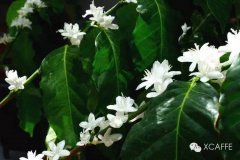
Bolivia, located near Brazil, the largest coffee producer in South America, is still an underrepresented country.
Bolivia, located near Brazil, South America's largest coffee producer, is still a place unknown to many coffee lovers. But the country is famous for producing high-quality coffee and has good conditions for coffee cultivation and production as well as Brazil. Bolivian raw beans are large and uniform in size, and the green ones are high-quality raw beans. The majority of Bolivian coffee varieties are Cadura.

Rich and balanced Bolivian coffee Fine coffee beans Flavor Taste Manor Features
The President is the Head of State and Government and the Commander of the Armed Forces. He is directly elected and cannot be re-elected. Parliament is the legislative body of the state. Cabinet is the executive branch of government, directly led by the President. Restoration of the Vice-Presidency; direct election of mayors and provinces; guarantees of security of person, freedom of conscience, association, labour, thought and education; and State responsibility for human rights

What are the planting conditions of Bolivian coffee beans-Sinaport Cenaprco cooperative PB round beans
Professional coffee knowledge exchange more coffee bean information please follow the coffee workshop (Wechat official account cafe_style) Bolivian coffee beans-Sinaport Cenaprco cooperative PB round beans what are the growing conditions? How to cook with V60? Cenaprco is an excellent coffee cooperative in Bolivia and the winner of the two coffee competitions in 2003 and 2004.

Bolivian Yonggas Koraca Association small Farmer Coffee beans _ Bolivian Sun Project Coffee
Professional coffee knowledge exchange more coffee bean information please follow Coffee Workshop (Wechat official account cafe_style) Bolivian Coffee-tomorrow Sun Project Yungas South Yonggas Illupana District Koraca Association small Farmers 1650-1950m Bolivia Sol de Manana Sud Yongas Irupana Coraca 1650-1950m Flavor: dry aroma mixed with orange and plum aroma

Flavor description of Bolivian Coffee production area
The coffee producing area Yungas Yungas, located in the Andean hills just east of La Paz, is a rugged agricultural area. The road to Yangas is rugged and dangerous, making it difficult to transport coffee. But despite the above disadvantages, the coffee in this area is very unique because of its unique microclimate and incredible altitude. The highest altitude in the world

What is the coffee bean import process?| How to import coffee beans to China?
Professional coffee knowledge exchange More coffee bean information Please pay attention to coffee workshop (Weixin Official Accounts cafe_style) coffee bean import customs declaration procedures 1. consignee and consignor record number; 2. original label and corresponding Chinese translation; 3. import and export management right; 4. food circulation license; 5. certificate of origin; 6. health certificate/free sales certificate of producing country; 7. manufacturer

Bolivian coffee beans Bolivia tomorrow sun plan introduction.
For more information on coffee beans, please follow the Coffee Workshop (Wechat official account cafe_style) Bolivia is one of the five most diverse countries in the world, a landlocked country surrounded by and deeply affected by five countries, with a population of more than 1000. The Indian aborigines, who account for about 60% of the total population, are divided into 36 ethnic groups, mixed Indo-European (Mestizo) account for 26%, and in addition,

Introduction to the flavor and taste of Bolivian coffee with rich sour taste
In the past, most of the coffee in Bolivia was of mediocre quality, but in recent years, the production of boutique coffee has developed rapidly, and there have been a lot of pretty good beans. In recent years, the COE (Cup ofexcellence) system, which was first implemented in Brazil, has become more and more popular. Bolivia has also introduced this system, which can stimulate the enthusiasm of coffee farmers on the one hand and improve it on the other.

Description of taste and flavor of Bolivian coffee beans introduction of grinding scale of varieties in producing areas
The flavor of hand-brewed coffee is introduced in detail: the dry aroma of roasted nuts and almonds, the supple acidity of orange and white pomelo on the entrance, sweet caramel as a whole, the smooth texture of nut milk, cleanliness and balance are also quite eye-catching, and the herbal aroma of Yuyun is also quite charming. Wash Bolivia with a cup of water by hand. It is recommended to use 15 grams of powder at 87 degrees Celsius, with a gouache ratio of 1:15.

Brief introduction of rich and unique treatment methods for grinding degree and baking degree of Bolivian boutique coffee beans
Bolivia has made a lot of efforts to improve the quality of coffee, stimulate the enthusiasm of coffee farmers and make coffee farmers have a deeper understanding of fine coffee. After the introduction of the COE competition, in the first COE competition held in 2004, there were 13 boutique bean cups with a total score of more than 84 points, and the champion bean score was as high as 90.44 points.

Introduction to boutique coffee with obvious rich flavor and taste characteristics of Bolivian coffee manor
In 1863, rich saltpetre deposits were discovered in Atacama province along the Pacific coast. In 1879, Chile sent troops to occupy the mining area, and Bolivia joined forces with Peru to wage the Pacific War with Chile. Bolivia was defeated in 1883 and ceded the saltpeter-rich Pacific coast to Chile in 1904. Bolivia lost its only coastal province, including the important port of Antofagasta, from